Medical Clinic
Menopause Treatment Options in St. Augustine: What Actually Helps
Menopause care in St. Augustine works best when it is matched to your symptoms and your labs, not a one-size protocol. Hormone therapy remains the most effective option for hot flashes and night sweats for many women, non-hormonal prescriptions and lifestyle changes are real alternatives, and risk is individual. InnerWorks starts with lab work and a provider consultation, then builds a supervised plan around sleep, mood, brain fog, and weight changes too.

Menopause rarely announces itself politely. For many women in St. Augustine, the first signals are easy to explain away: sleep that fragments for no obvious reason, a sudden intolerance for the Florida heat, a familiar word that refuses to surface mid-conversation. By the time those signals stack up, most women have already collected conflicting advice from friends, forums, and headlines. At InnerWorks: Performance & Wellness, hormone therapy for women is one of the most frequent reasons patients book a first visit, and nearly every one of them opens with the same question: out of everything I have read, what actually helps?
The honest answer is that several things help, some hormonal and some not, and the right mix depends on your symptoms, your labs, and your personal risk picture. This guide walks through the options the same way we walk through them in the exam room.
The Symptom Landscape: More Than Hot Flashes
Hot flashes and night sweats, known clinically as vasomotor symptoms, are the most recognized part of menopause, and resources like MedlinePlus list them among the most common. Living on the northeast Florida coast adds its own twist. The humidity along A1A does not cause a hot flash, but it makes one considerably harder to shrug off, and plenty of our patients describe planning errands around air conditioning by the time they finally seek help.
The full picture usually reaches well beyond temperature:
- Sleep disruption. Night sweats fragment sleep directly, but many women also notice lighter, more broken sleep even on nights without them.
- Mood changes. Irritability, anxiety, and low mood can appear for the first time or intensify during the transition.
- Brain fog. Word-finding trouble and shortened focus are common complaints, and they are frequently what prompts the first appointment.
- Weight and body composition. Declining estrogen shifts fat storage toward the midsection and makes muscle harder to maintain. That is a physiologic change, not a discipline problem.
None of these symptoms is imagined, and none of them has to be endured as a rite of passage.
Hormone Therapy: The Honest Overview
For moderate to severe hot flashes and night sweats, hormone therapy remains the most effective treatment available, a position reflected in mainstream references such as the National Library of Medicine’s overview of hormone replacement therapy. Treatment generally centers on estrogen, paired with a progestogen for women who still have a uterus, and it can be delivered in several forms. Which forms fit your situation, including whether any compounded preparation makes sense, is reviewed at your consultation rather than promised in advance, because compounded availability varies and some compounded products are not FDA-approved.
The fear that still surrounds hormone therapy traces largely to the Women’s Health Initiative trials of the early 2000s. Longer-term analyses of those same trials, published in JAMA, reported that risks and benefits differed meaningfully by a woman’s age and how far past menopause she was when treatment began, which is a large part of why modern practice favors individualized timing and dosing over a blanket verdict (Manson et al., 2013).
Individualized is the operative word. A woman in her early 50s within a few years of her final period presents a very different risk calculation than one starting therapy in her late 60s, and a personal or family history of breast cancer, blood clots, or cardiovascular disease changes the math further. FDA-approved hormone therapies carry specific labeled indications, including moderate to severe vasomotor symptoms, and the FDA’s consumer guidance on menopause is a reasonable place to see how these products are described. What no pamphlet can do is weigh your particular history. That is the provider’s job.
Non-Hormonal Options Are Real Options
Not every woman can take hormones, and not every woman wants to. Both positions deserve an actual treatment plan rather than a shrug.
Non-hormonal prescription medications now exist with FDA approval specifically for moderate to severe hot flashes, and certain other medications are used at a provider’s discretion for vasomotor symptoms, sleep, or mood. Beyond prescriptions, the interventions with the most practical payoff tend to be unglamorous: strength training to protect muscle and bone, consistent sleep and wake times, limiting alcohol in the evening, and cooling strategies that hold up against a St. Augustine summer. Cognitive behavioral approaches have also shown benefit for the distress and sleep disruption that hot flashes cause. None of this is a cure, and no responsible clinic will frame it as one, but stacked together these tools can meaningfully change how the transition feels.
Why Labs Come First
Menopause itself is a clinical diagnosis: twelve consecutive months without a period. So why insist on lab work? Because the years leading up to that point are a moving target, and because the symptom list above overlaps heavily with thyroid disease, iron deficiency, sleep disorders, and depression. Treating presumed menopause while missing a thyroid problem helps no one.
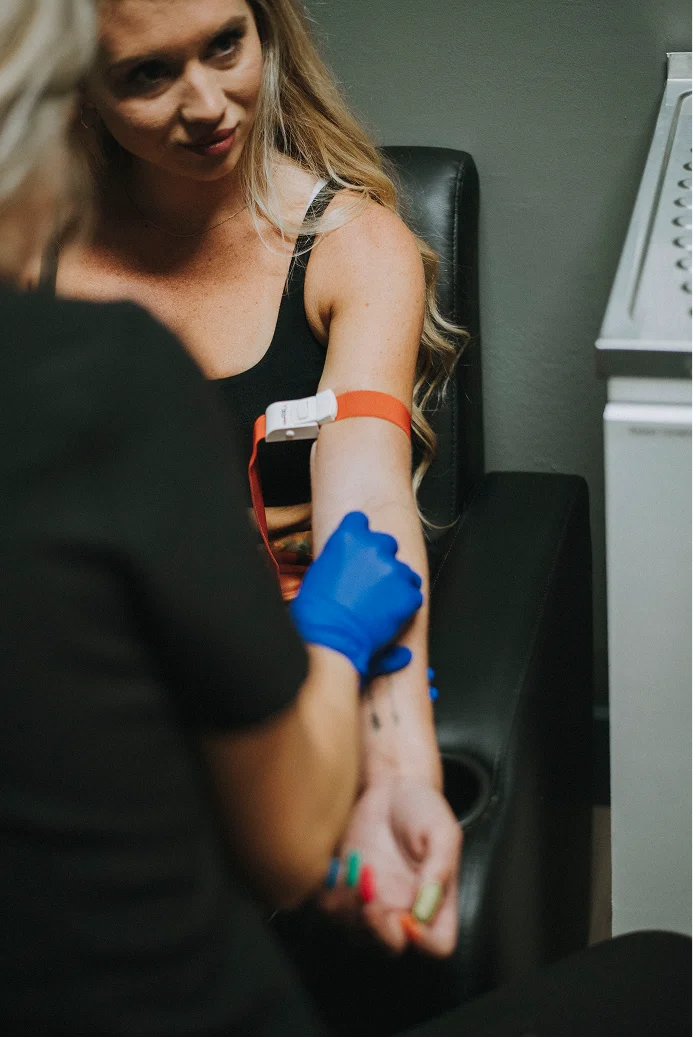
A lab-first workup at our St. Augustine medical clinic typically includes hormone levels such as estradiol and FSH alongside thyroid and metabolic markers. During perimenopause, hormone values can swing from month to month, so a single number is never treated as a verdict. The panel serves two purposes: ruling out imitators, and establishing a baseline so that if you do start treatment, follow-up labs can show whether it is doing what it should.
When to Seek Care
There is no required level of suffering that earns a consultation. A practical threshold: when symptoms start shaping your decisions, it is time. That might mean skipping an evening walk on the bayfront because you can feel a hot flash building, restructuring your workday around fatigue, or noticing that irritability is straining the people closest to you.
A few situations call for prompt medical attention rather than watchful waiting, most notably any vaginal bleeding after you have gone twelve months without a period. That symptom always warrants evaluation.
What Treatment Looks Like at InnerWorks
A first visit here is a structured conversation, not a sales pitch. We review your symptom history, your medical and family history, and your goals, then order the lab panel. At the follow-up, your provider walks through what the results support: hormone therapy in a specific form, non-hormonal prescriptions, targeted lifestyle work, or a combination. Every path within our hormone therapy for women program is provider-supervised, with follow-up labs and dose adjustments scheduled from the start rather than bolted on later.
Cost depends on the components your plan actually needs, including labs, visits, and the treatment itself, and it is confirmed at your consultation. If menopause symptoms have been quietly running your calendar, schedule an appointment and get a plan built on your own labs instead of someone else’s forum post.
Hormone therapy and related treatments at InnerWorks are provider-supervised medical care. Whether they are appropriate for you, in what form, and at what dose depends on your history, lab results, and clinical evaluation.
Frequently Asked Questions
What is the most effective treatment for menopause hot flashes?
For moderate to severe hot flashes and night sweats, hormone therapy is generally the most effective option, though it is not right for everyone. Non-hormonal prescription medications with FDA approval for hot flashes also exist, and the best choice depends on your health history and labs, which is exactly what a consultation sorts out.
Is hormone therapy safe after the WHI study?
Safety is individual. Later analyses of the Women's Health Initiative trials suggested that risks and benefits varied by a woman's age and how long she had been past menopause, which is why modern practice favors individualized timing and dosing over a blanket answer. Your history and labs are reviewed before any prescription is considered.
Do I need lab work to diagnose menopause?
Menopause itself is diagnosed clinically, after twelve consecutive months without a period. Labs still matter: they rule out conditions that mimic menopause, such as thyroid disease, and they establish a baseline so your response to any treatment can actually be measured.
What are my options if I cannot take hormones?
Real ones. Non-hormonal prescription medications carry FDA approval for moderate to severe hot flashes, other medications are used at provider discretion for sleep and mood, and structured lifestyle changes such as strength training and sleep scheduling carry meaningful benefit. A plan gets built around your restrictions, not despite them.
Does insurance cover menopause treatment in St. Augustine?
Coverage varies widely by plan and by the specific services involved. Some elements of care may be billable while others fall under a self-pay wellness model. The practical answer for your situation, including total costs, is confirmed at your consultation.
How long do women stay on hormone therapy?
There is no fixed duration that fits everyone. Treatment is reviewed regularly with your provider, weighing symptom control against your evolving risk picture, and dosing is adjusted or tapered based on how you respond rather than on the calendar alone.
Ready to take the next step?
Schedule a consultation with our St. Augustine team, or explore the supervised service behind this guide.