IV Therapy
IV Therapy Cost in St. Augustine: What Actually Drives the Price
IV therapy pricing in St. Augustine depends on what is actually in the bag, not a flat rate. A simple hydration drip costs less than a loaded vitamin blend, and NAD+ infusions sit at the top because of the ingredient and the slow drip time. Mobile visits add a travel fee, and memberships lower the per-visit cost. At InnerWorks, your final pricing is confirmed at consultation.
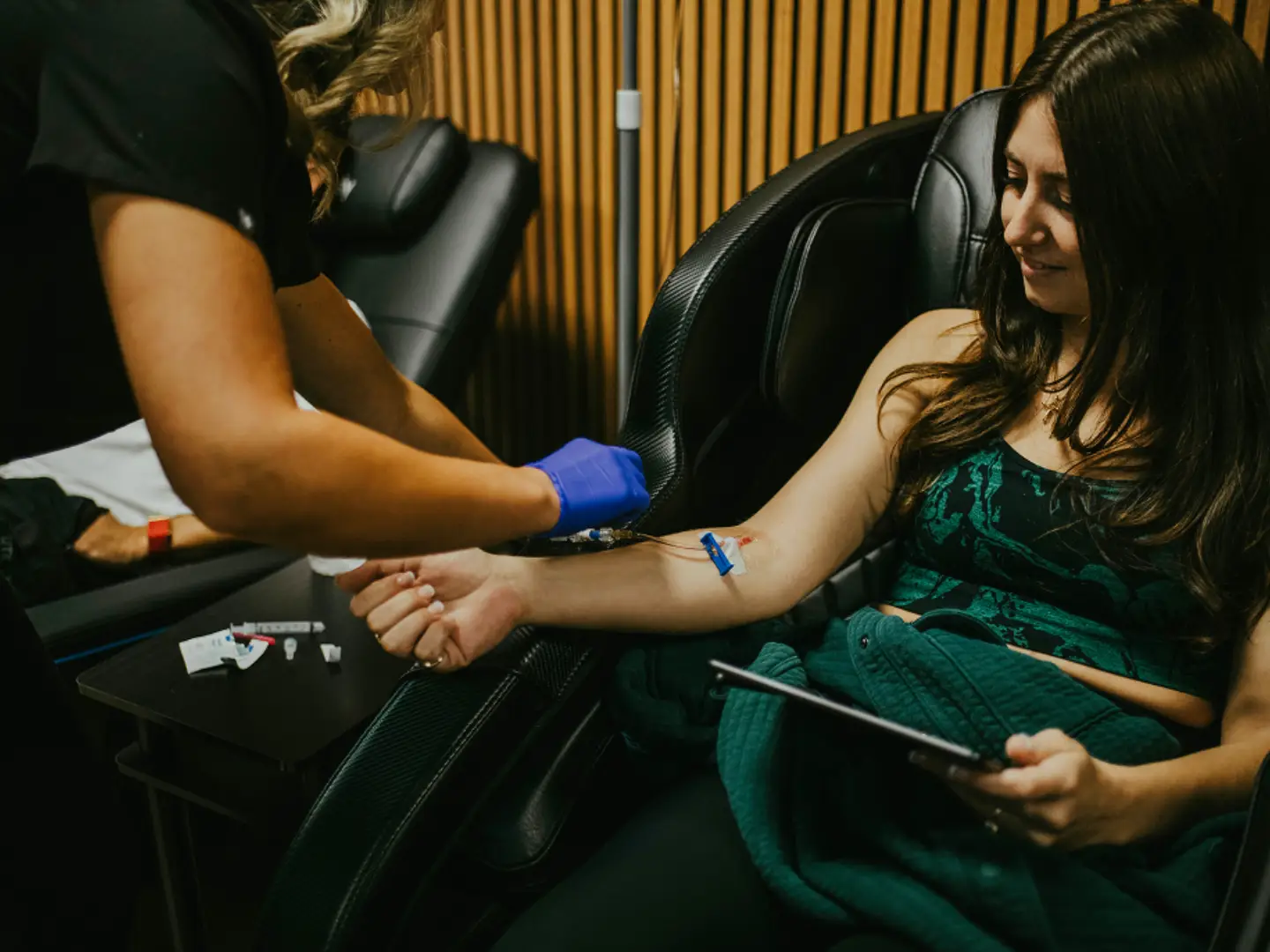
If you have priced IV therapy around St. Augustine, you have probably noticed the numbers are all over the map, and that is not a trick being played on you. The price of a drip is not one thing. It reflects what is actually dripping into the bag, how long you sit in the chair, and whether the appointment comes to you. Once you can see those parts separately, the range stops looking random and starts looking like a menu you can read.
Why an IV Drip Has No Sticker Price
Two bags hanging on the same shelf can carry very different costs, because they are doing different jobs. One might be saline for hydration. The next might be loaded with a full panel of vitamins and minerals. A clinic that advertises a single low number is usually quoting its simplest option and counting on you to assume the rest is priced the same. It is not. The honest way to compare is to line up the individual factors, then see where the drip you actually want lands.
It Starts With What Is in the Bag
The ingredients are the biggest single driver of price, and IV menus generally sort into three tiers.
Hydration drips are the entry point. These are mostly sterile fluids and electrolytes meant to correct or prevent dehydration and restore fluid and electrolyte balance. The formula is simple and inexpensive, which is why straight hydration is almost always the lowest-cost item on the board.
Vitamin blends sit in the middle. Add B vitamins, magnesium, or a dose of vitamin C, and the cost climbs with the complexity of the recipe. The more that goes in, and the higher the individual doses, the higher the price of that bag. These blends get marketed for energy and immune support, and the reasonable framing is nutrient support, not a treatment for any specific disease.
NAD+ infusions are the premium tier. NAD+, short for nicotinamide adenine dinucleotide, is a coenzyme tied to energy metabolism, and its precursor niacin is well documented in that role. The compound itself costs more than saline and basic vitamins, which is the first reason NAD+ therapy is priced higher. The second reason is time, which deserves its own section.
Chair Time Is Part of the Cost
An IV is not just an ingredient list, it is an appointment, and appointments have a length. A quick hydration bag can run in well under an hour. NAD+ is different. It is typically infused slowly, because pushing it too fast is uncomfortable, so a single session can occupy a chair and a portion of staff attention for a much longer stretch. Longer chair time means the clinic is committing more of its day to you, and that shows up in the price. When you see a NAD+ drip listed at several times the cost of hydration, the ingredient and the clock are both doing the work.
In-Clinic Versus Mobile: Two Pricing Models
Where you get the drip changes the math as much as what is in it. Getting infused in the clinic is the lower-cost path, because everything the provider needs is already in one room. Mobile IV service, where a provider comes to your home, hotel, or rental, adds a travel or convenience fee on top of the drip itself. That fee is not a markup for its own sake. It covers the trip, the setup, and the time spent off-site for one appointment instead of several.
Neither model is automatically the smarter buy. In a visitor-heavy town like St. Augustine, someone with a packed weekend or a group at a rental near the historic district may decide the mobile fee is worth skipping the drive. Someone who lives here and wants the lowest price will usually come in. The question to ask yourself is simple: what is my time and convenience worth on this particular day?
The Membership Math
Most IV clinics offer two ways to pay: per visit, or through a membership or package. Paying per visit is straightforward and makes sense for the occasional drip. A membership or a prepaid package lowers the per-visit cost in exchange for a recurring commitment or an upfront purchase. The savings are real, but they are conditional. A membership only pays off if you actually use it at the cadence it assumes. If you sign up planning to come twice a month and end up coming twice a year, the per-visit rate would have been the better deal.
This is where an honest consultation beats a sales pitch. Rather than quote you a headline price, we would rather look at how often a drip genuinely fits your routine, then tell you whether membership or pay-as-you-go is the cheaper path for you specifically. Final pricing is always confirmed at that visit, not guessed at from a web page.
Is a Drip Worth It?
Cost only means something next to a goal. For a defined, short-term need, quick rehydration after a stomach bug, a hard training block, or a demanding travel schedule, many people find a drip a fair trade for how they feel afterward. For a specific nutrient gap identified with a provider, targeted support can make sense too.
Where the value question gets murkier is chronic tiredness. If low energy and fatigue is the thing driving you to search, a drip can feel productive without addressing why you are tired in the first place. Persistent fatigue usually has a findable cause, and it is worth ruling that out before committing to a standing IV habit. That is also the compliance-honest framing for NAD+ specifically: it is a provider-supervised wellness option, not an FDA-approved treatment for energy, aging, or cognition, and it is not a guarantee of any particular result.
A Note on HSA and FSA
People often ask whether they can pay with a health savings account or flexible spending account, and the honest answer is that it depends. IV therapy pursued as general wellness usually does not qualify, while treatment tied to a documented medical need sometimes can. The rules vary by plan and by administrator, and eligibility is theirs to determine, not ours to promise. Before you assume a drip is covered, check directly with your HSA or FSA provider, and keep your receipts and any documentation your plan asks for.
How We Handle Pricing in St. Augustine
At InnerWorks: Performance & Wellness, IV therapy is priced by the drip you actually need, not by a single flashy number designed to get you in the door. A consultation lets us match a drip to your goal, walk through in-clinic versus any mobile option, and run the membership math against how often you realistically expect to come in, with the full cost laid out before anything is scheduled. If you are ready to talk specifics, you can schedule an appointment and get a plan built around your goals instead of a guess.
IV therapy at InnerWorks is provider-supervised. Individual drips, including NAD+, are wellness options rather than FDA-approved treatments for any specific condition, and eligibility depends on your consultation and clinical evaluation.
Frequently Asked Questions
How much does IV therapy cost in St. Augustine?
There is no flat rate, because price tracks what is in the bag and how you receive it. A basic hydration drip is the most affordable tier, vitamin blends cost more, and NAD+ infusions are the highest. Mobile service adds a travel fee. The clearest figure comes from a consultation where your drip is matched to your goals.
Why is a NAD+ drip more expensive than a hydration drip?
NAD+ costs more for two reasons: the ingredient itself is more expensive than saline and basic vitamins, and it is infused slowly over a longer chair time, which uses more of the clinic's time and staffing. That is why NAD+ therapy tends to sit at the top of most IV menus.
Is in-clinic or mobile IV therapy cheaper?
In-clinic is usually the lower-cost option because there is no travel involved. Mobile IV visits add a convenience or travel fee to cover the trip to your home or hotel. Which one is worth it depends on how much you value skipping the drive, especially during busy St. Augustine visitor seasons.
Do IV therapy memberships actually save money?
They can, if you use them. Memberships and packages lower the per-visit cost in exchange for a recurring commitment, so the value depends on how often you plan to come in. Someone doing an occasional drip may do better paying per visit. We can run the math for your situation at a consultation.
Can I use an HSA or FSA to pay for IV therapy?
Sometimes, but do not assume so. Eligibility usually depends on whether the treatment is tied to a documented medical need rather than general wellness, and the rules vary by plan and administrator. Check with your HSA or FSA provider before you count on it, and keep your receipts either way.
Is IV therapy worth the cost?
That depends on your goal and whether a drip is the right tool for it. For short-term hydration or a specific nutrient need, many people find the value fair. For ongoing fatigue, it is worth finding the cause first. A consultation helps you decide honestly instead of by impulse.
Ready to take the next step?
Schedule a consultation with our St. Augustine team, or explore the supervised service behind this guide.